

Case Study: LoiterGuard, Concept to Production in 8 Weeks
Platform
LoiterGuard edge security node
The Challenge: Breaking the "Freelancer Cycle"
By the time the program reached WIRL, work was split across freelancers with no single accountable architect. Boards and RF paths were fragile, firmware and cloud were misaligned, and there was no credible package of drawings, BOM discipline, and test evidence that a CM or certification lab could take seriously.
Outcome
Eight weeks from stalled concept to a buildable product
We consolidated electrical design, firmware, and cloud integration under one Ontario-licensed engineering team and delivered a production-intent LoiterGuard in eight weeks. The program moved from a troubled prototype to documentation and architecture aimed at manufacturing partners and certification.
1. High-Density Hardware Integration
The LoiterGuard required a sophisticated sensor fusion stack in a compact, reliable footprint. We engineered a custom PCB that integrated: Advanced Sensing: mmWave radar integration for precise human detection, coupled with an onboard camera for visual verification. Triple-Path Connectivity: Redundant communication via Power over Ethernet (PoE), Wi-Fi, and Cellular (LTE) to ensure the system never goes offline. Rich Media Support: Onboard Filesystem and MP3 Audio for localized, real-time audio deterrents and voice alerts.
2. 0-to-1 Manufacturing Pipeline
A prototype is only useful if it can be built at scale. We didn't just build a "one-off"; we built a manufacturing pipeline. Design for Manufacturing (DFM): Every component was selected for supply-chain resilience and automated assembly. Certification Ready: The architecture was developed with FCC/IC and safety certifications in mind, ensuring a smooth transition from the lab to the global market. Rapid Prototyping: Utilizing our in-house lab, we moved from schematic to a fully functional, field-ready prototype in an 8-week sprint.
3. Seamless Cloud & Backend Integration
We delivered a comprehensive cloud infrastructure that allowed the client to manage the LoiterGuard fleet without building a backend from scratch. Fleet Management: Remote device provisioning, health monitoring, and Over-the-Air (OTA) firmware updates. Seamless API: A secure, scalable backend designed to integrate directly into the client's existing security software ecosystem.
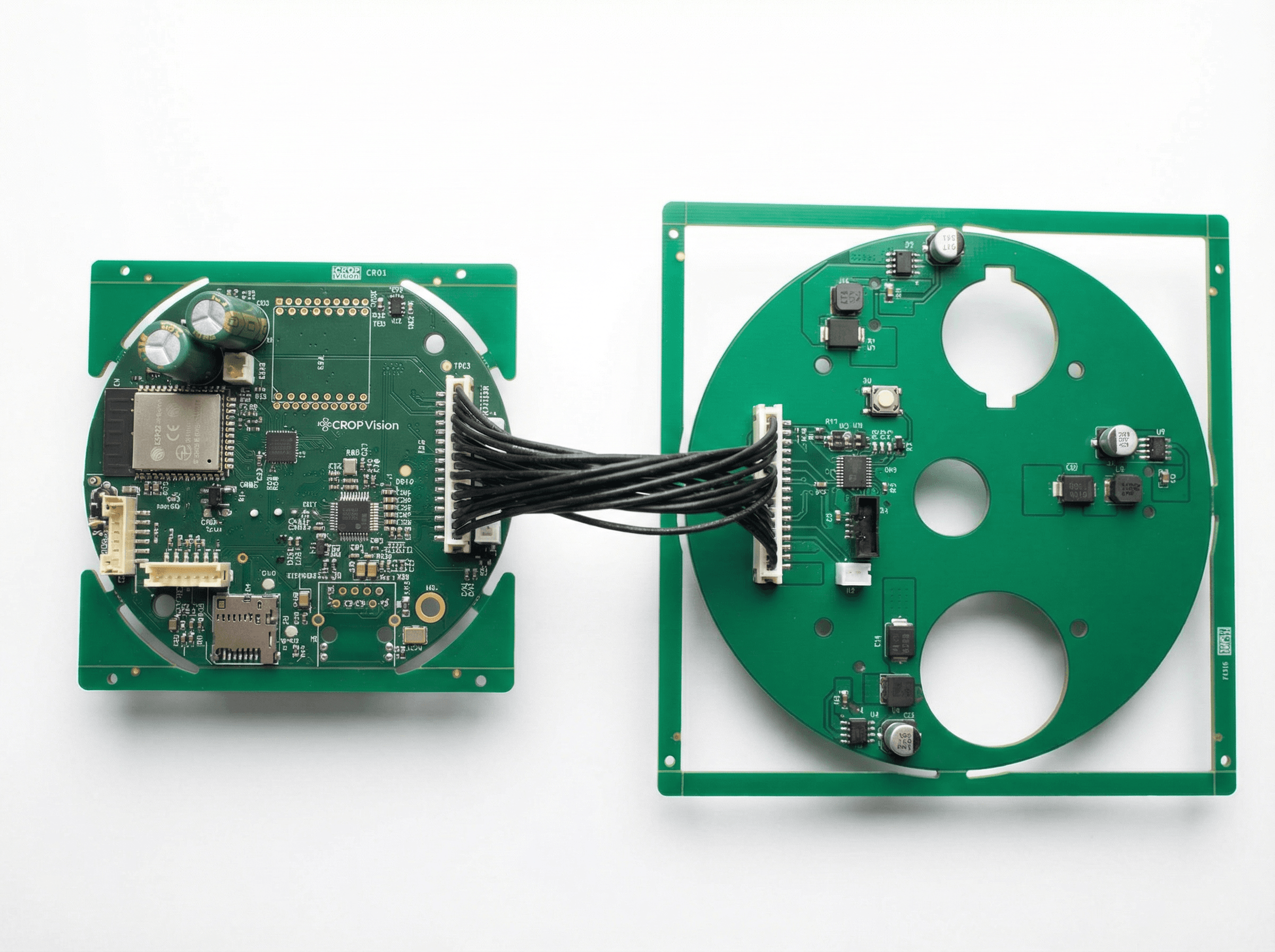
Custom PCB
Compute, power, and interface stack
Technical summary
Technical Summary
Engineering velocity
8 Weeks from Concept to Prototype.
Sensing
mmWave Radar + Onboard Camera.
Connectivity
PoE, Wi-Fi, Cellular.
Audio
MP3 Playback & Local Filesystem.
Status
DFM-Ready / Ready for Certification.
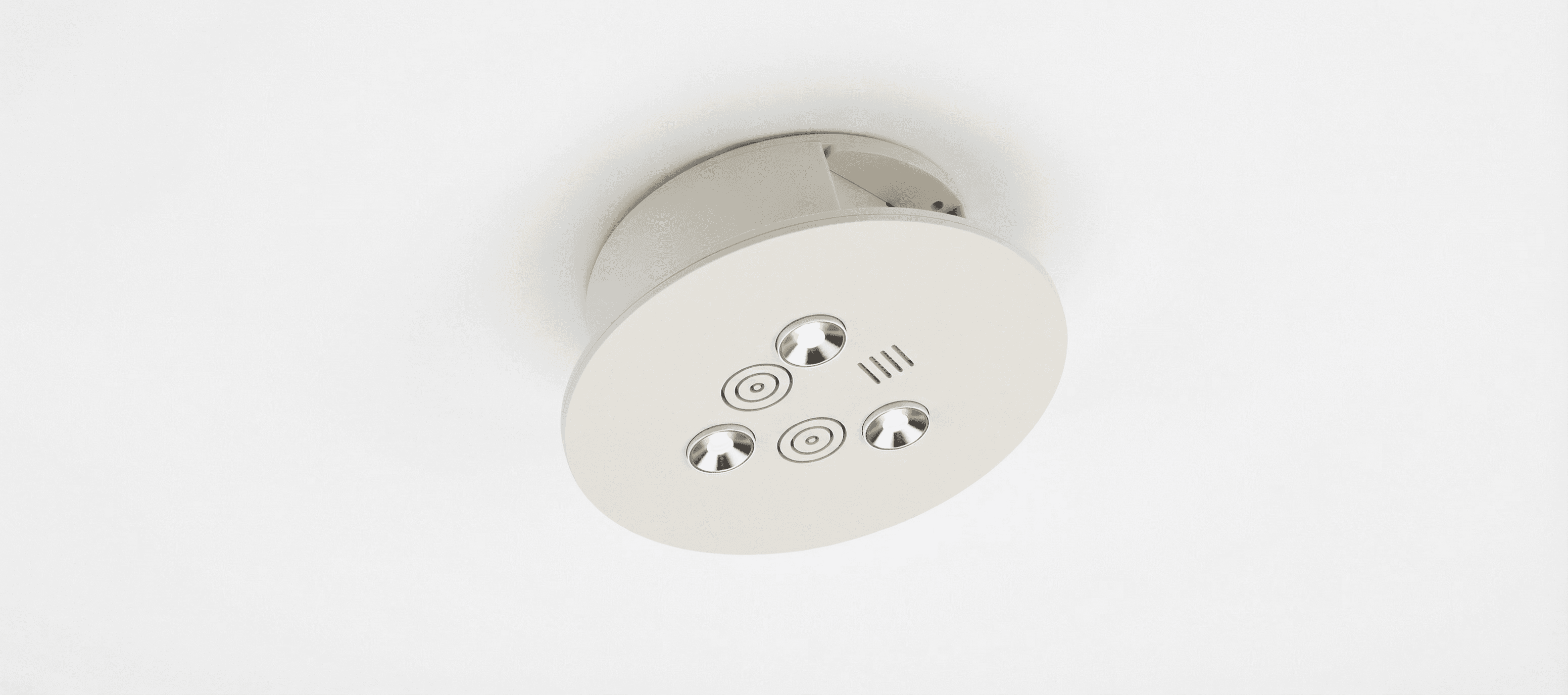
LoiterGuard unit
Enclosure and sensor assembly
Next engagement
Rescuing a fragmented hardware program on a hard deadline?
WIRL runs accountable sprints from schematic through bring-up, firmware, and cloud handoff, with documentation aimed at your CM and certification partners.